
The 2026 Monument Lab Summit: “School of Monumaking” invites artists, educators, activists, and cultural leaders to imagine monument-making as a living classroom.
You made it. You enrolled. You showed up—with your questions, your brilliance, your side-eyes, your notebooks half-full or overfull. We see you. Take your seat (or don’t—this is a move-your-desk kind of classroom).
Somewhere between the opening scene of Fame and the hallway choreography of School Daze, between detention and liberation, we gather here, not to memorize the past, but to remake it.
Here, we study what has been set in stone and what must be loosened. We practice remembering out loud. We take attendance of the absent.
We believe, like Lucille Clifton reminds us, that “we are running/and time is clocking us,” and also that we are full of it. Full of time, full of story, full of unfinished sentences waiting for breath.
Or, as Ntozake Shange might insist, we are here to lay our hands, bodies, and voices on the line of the page, the street, the monument itself, so it can finally speak in more than one tongue.
This is a school of many teachers. Some of them have names you know. Some of them are sitting right next to you. Some of them have never been named at all.
Your assignments will not be graded, but they will matter. Your materials may include memory, refusal, joy, grief, glitter, data, dirt, and dreams. Group work is required. So is imagination.
What we are building here is not just knowledge—it’s kinship. It’s practice. It’s a way forward that remembers where it came from.
And when you leave this place, don’t forget to take the school with you.
Class is in session.

An American Reflection is a digital video work powered by data points from Monument Lab’s groundbreaking National Monument Audit.
For too long our nation’s monuments have reflected war and conquest. But what would it look like if we honored stories rooted in community and healing, stories that confront monumental erasures and help tell a fuller, more honest history?
An American Reflection was commissioned for and on view in the “MONUMENTS” exhibition at The Museum of Contemporary Art, Los Angeles and the Brick, October 23–May 3, 2026.
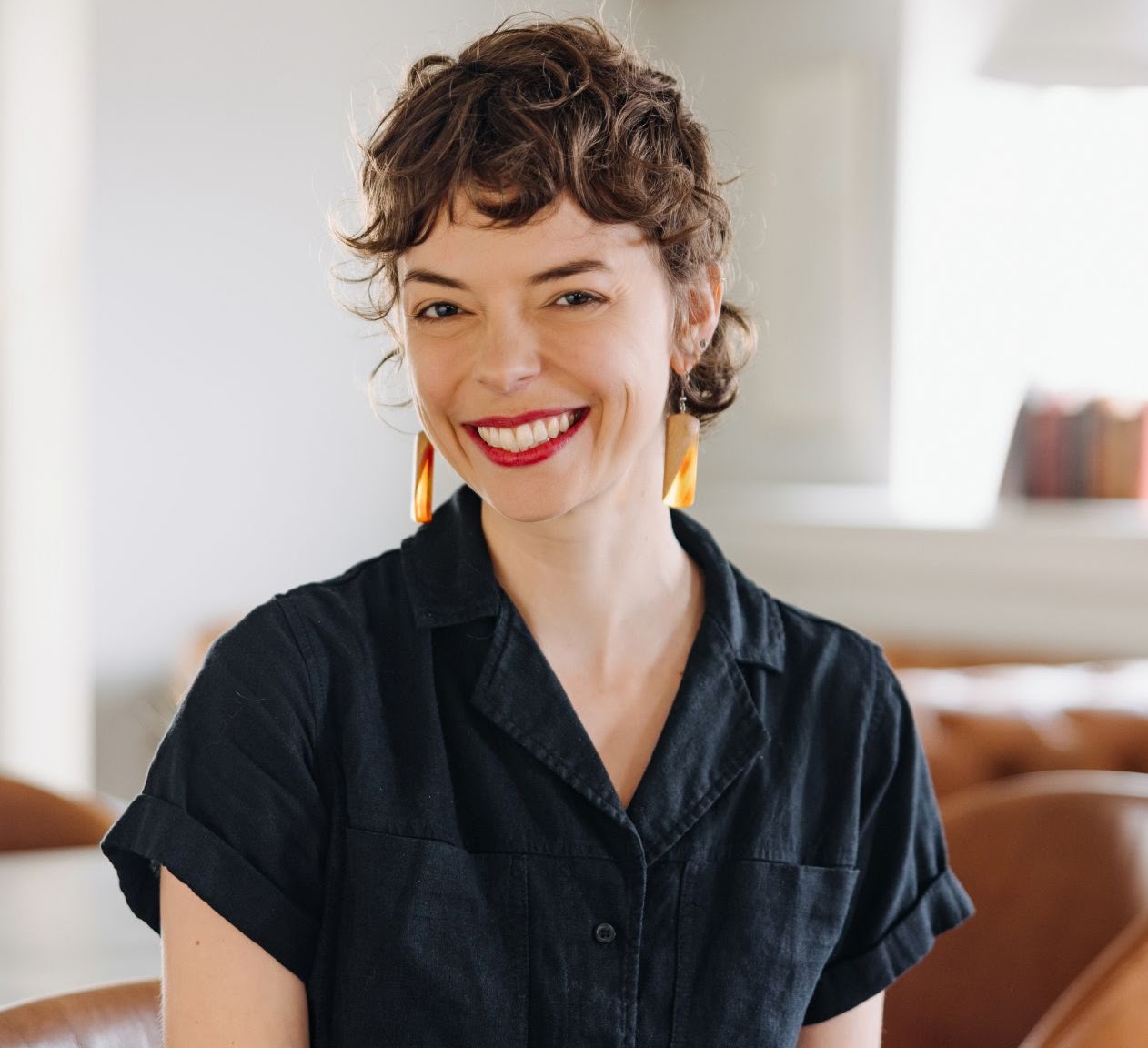
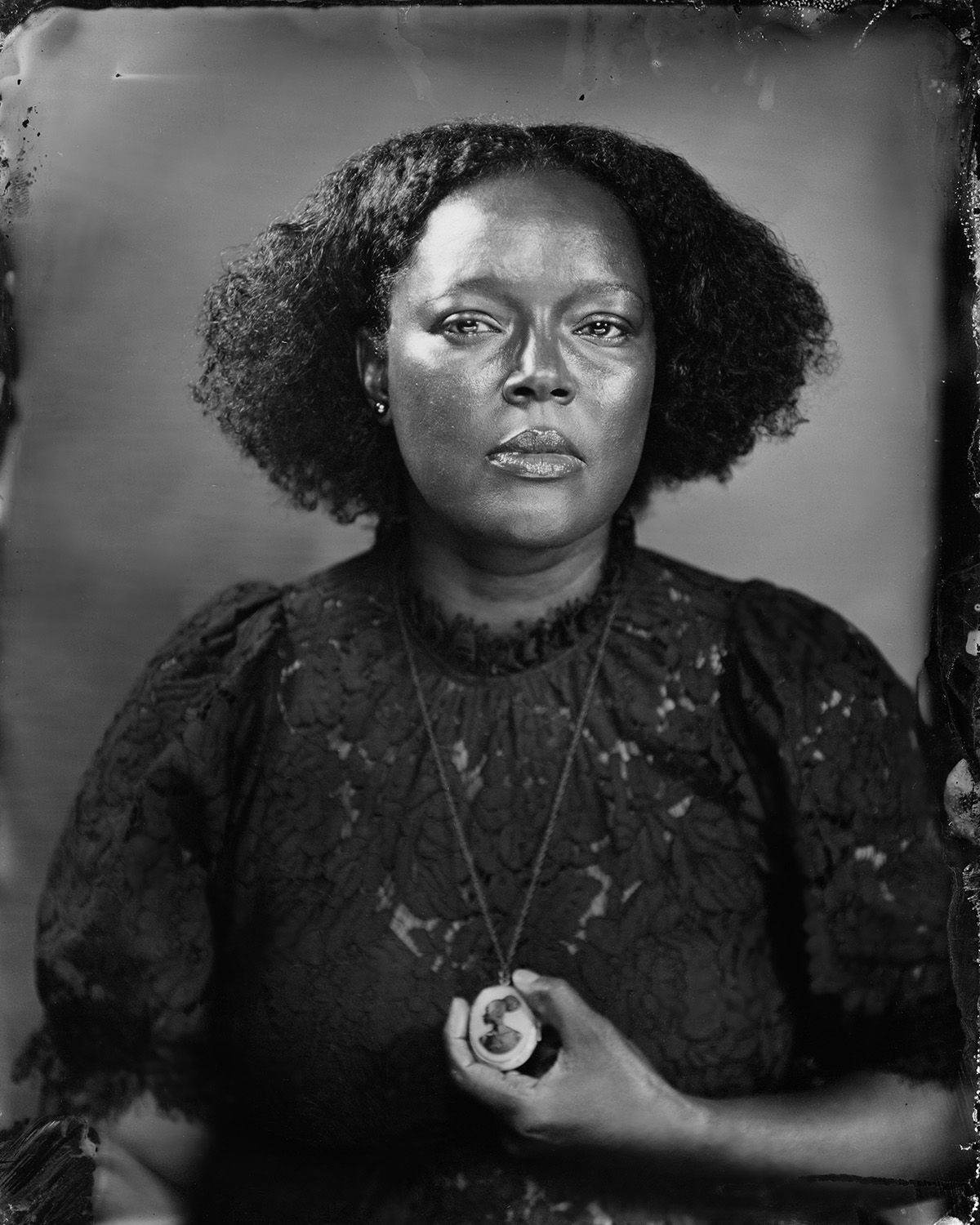
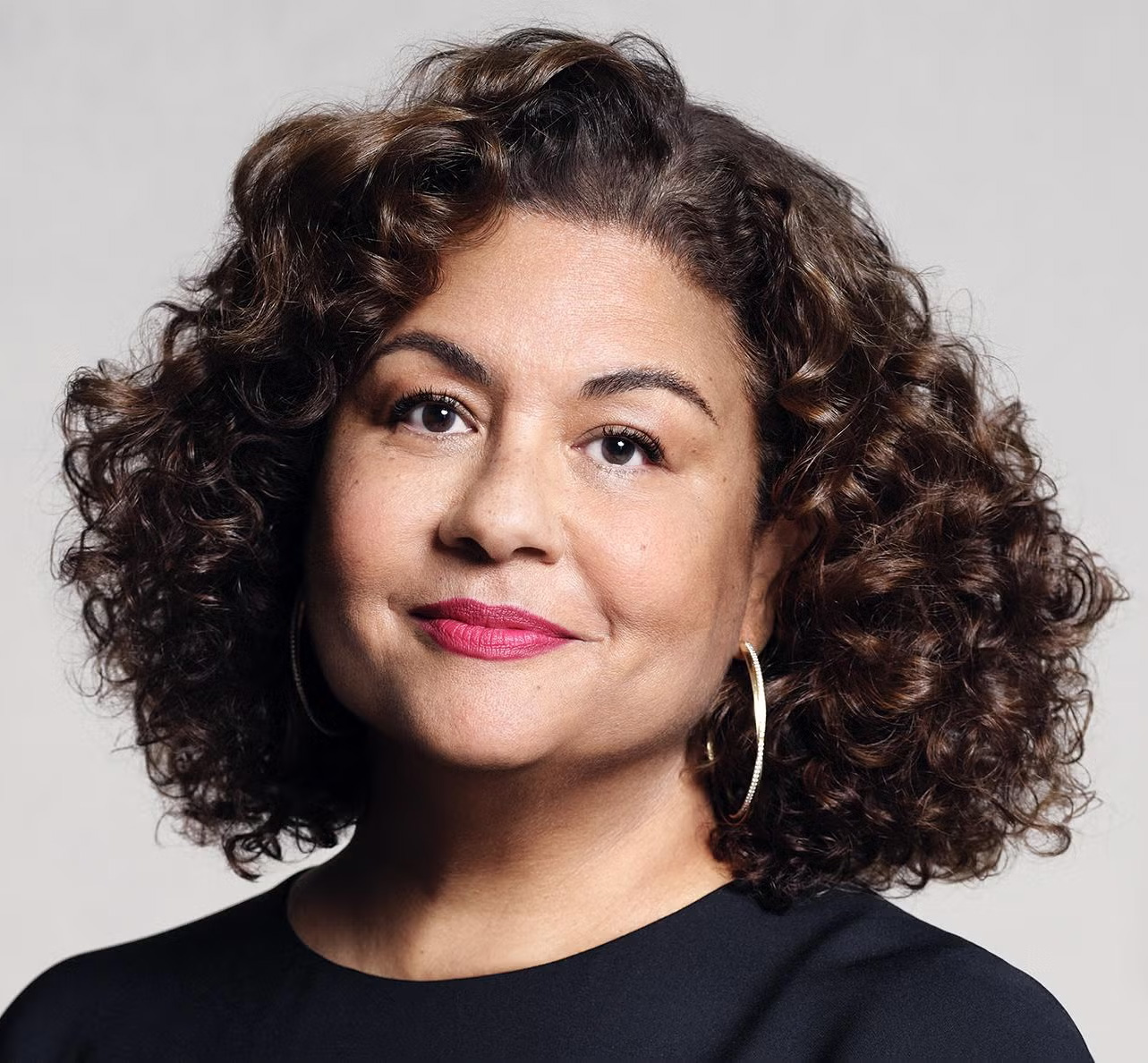
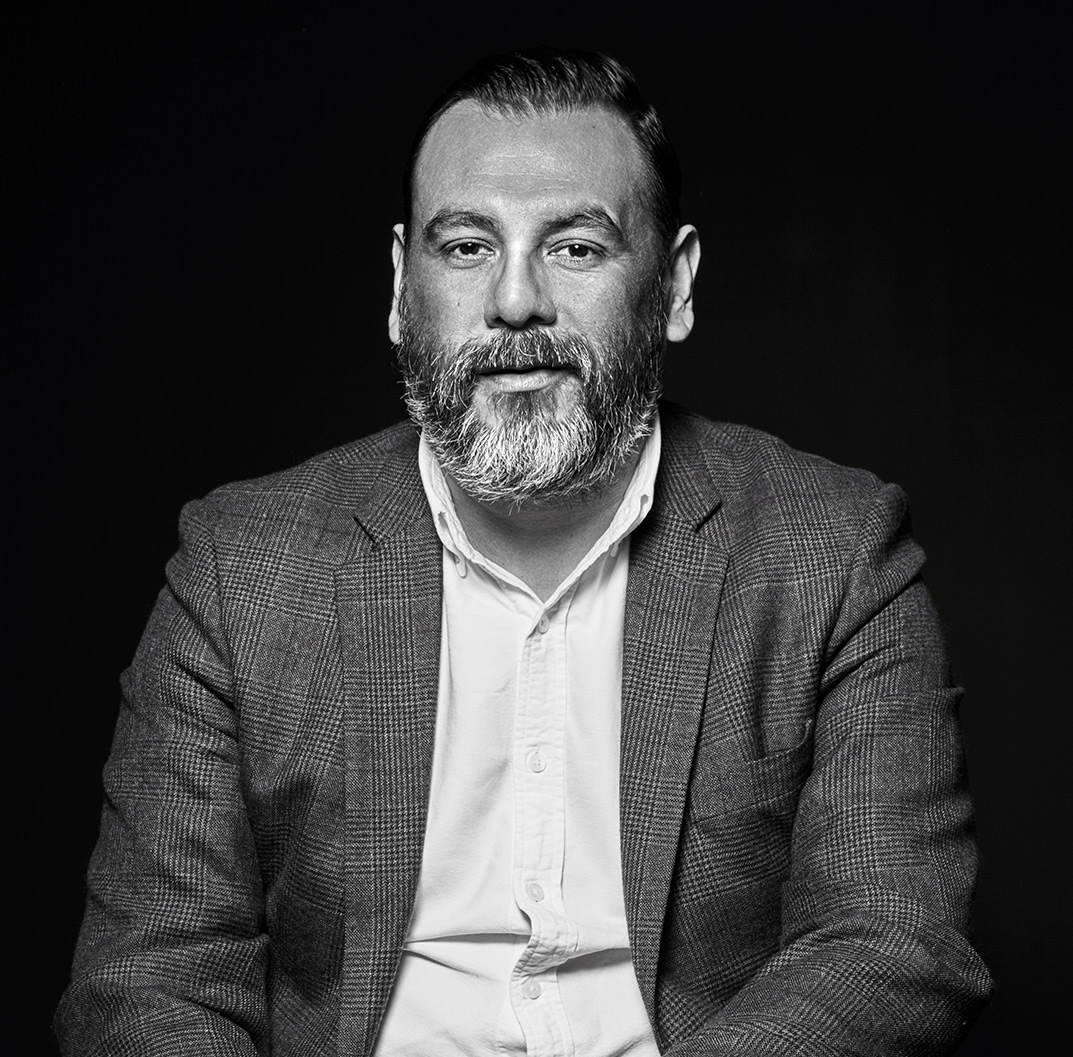
Devon M. Henry, President and CEO of Team Henry Enterprises, offers a firsthand account of the physical and emotional labor of removing more than two dozen Confederate monuments across the American South. But taking them down is only the beginning. This keynote challenges us to think beyond removal and toward responsibility — how we rebuild, who gets to decide, and what it means to tell the truth in public space. Through lived experience, Henry reframes monument work as an ongoing act of leadership, care, and accountability.
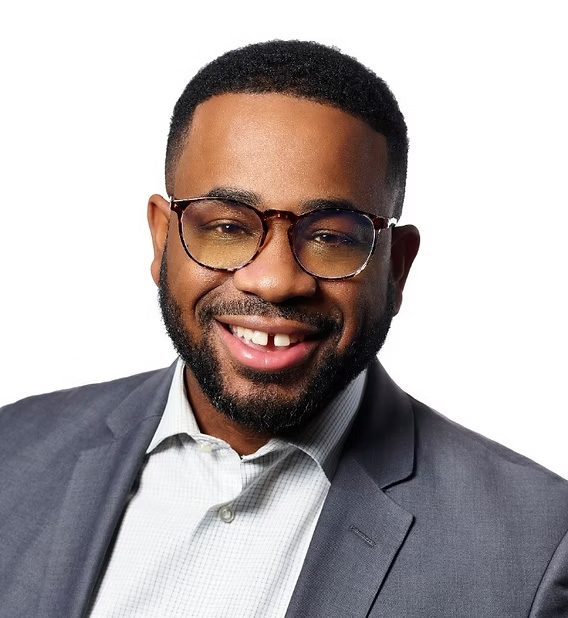
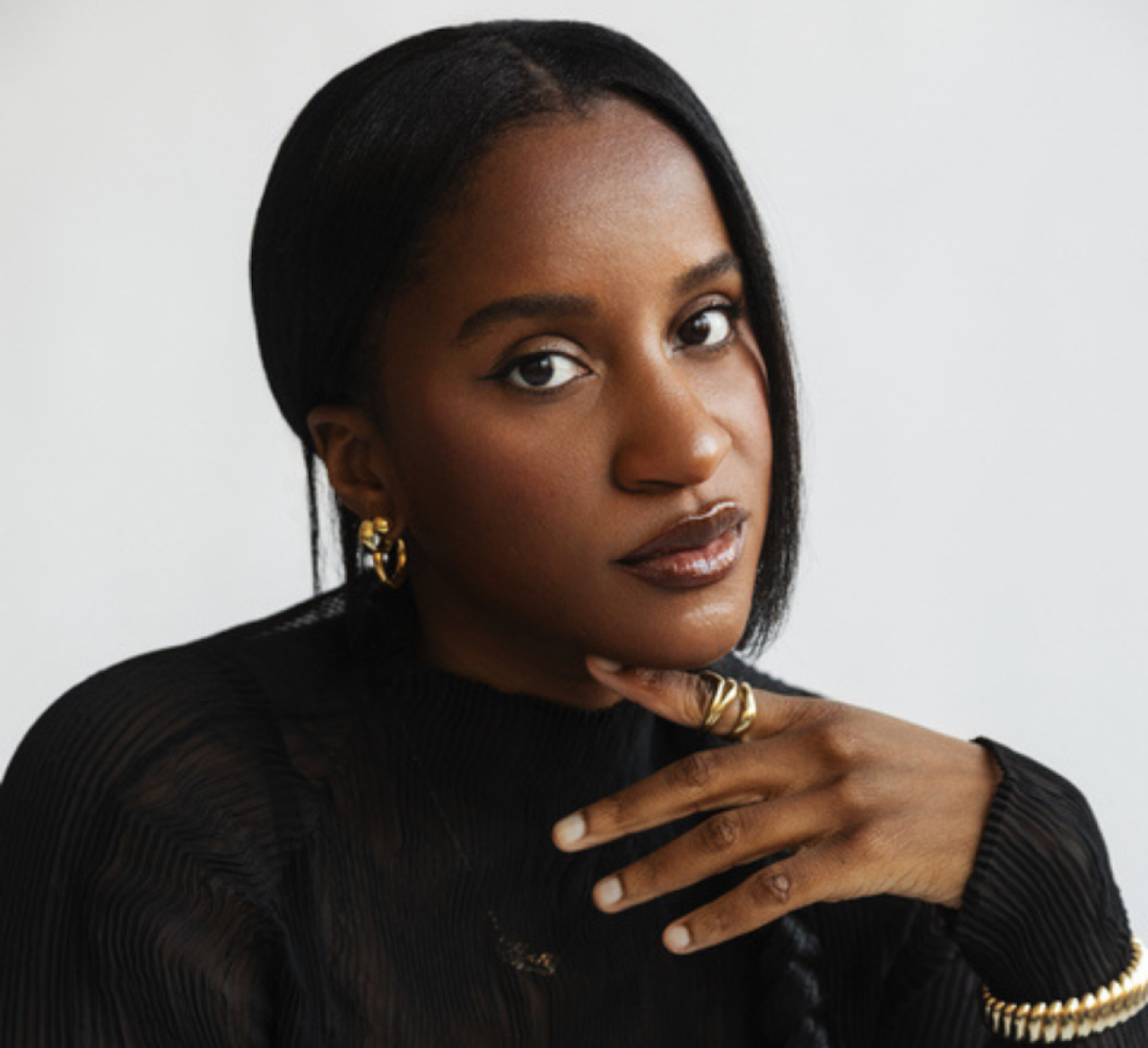
What does kinship look like when memory is written with machines? Poet, artist, and researcher Sasha Stiles invites participants into a classroom where language, technology, and collective memory intersect. Through generative poetry and digital literature, this session expands monument-making into the realm of code and collaboration—asking who authors our shared histories in the 21st century. Moderated Q&A after both presentations (questions submitted ahead/during)
Don’t Forget to Remember (Me) is a short film by Emmy Award-winning director Kyra Knox, produced with JTWO and Monument Lab, telling the behind-the-scenes story of Nekisha Durrett’s “Don’t Forget to Remember (Me),” a commissioned monument at Bryn Mawr College arising from an exploration of exclusionary histories on campus.
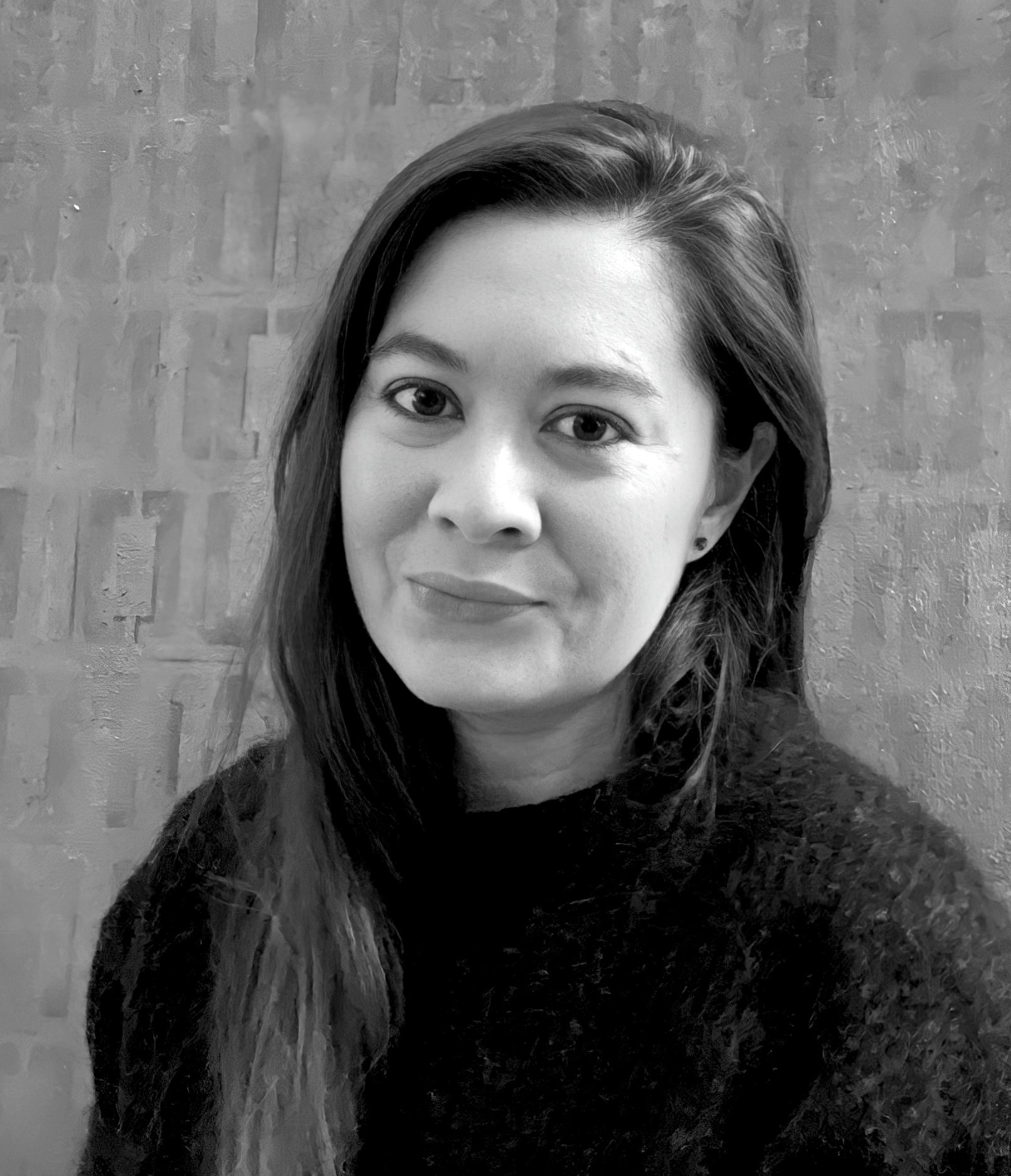
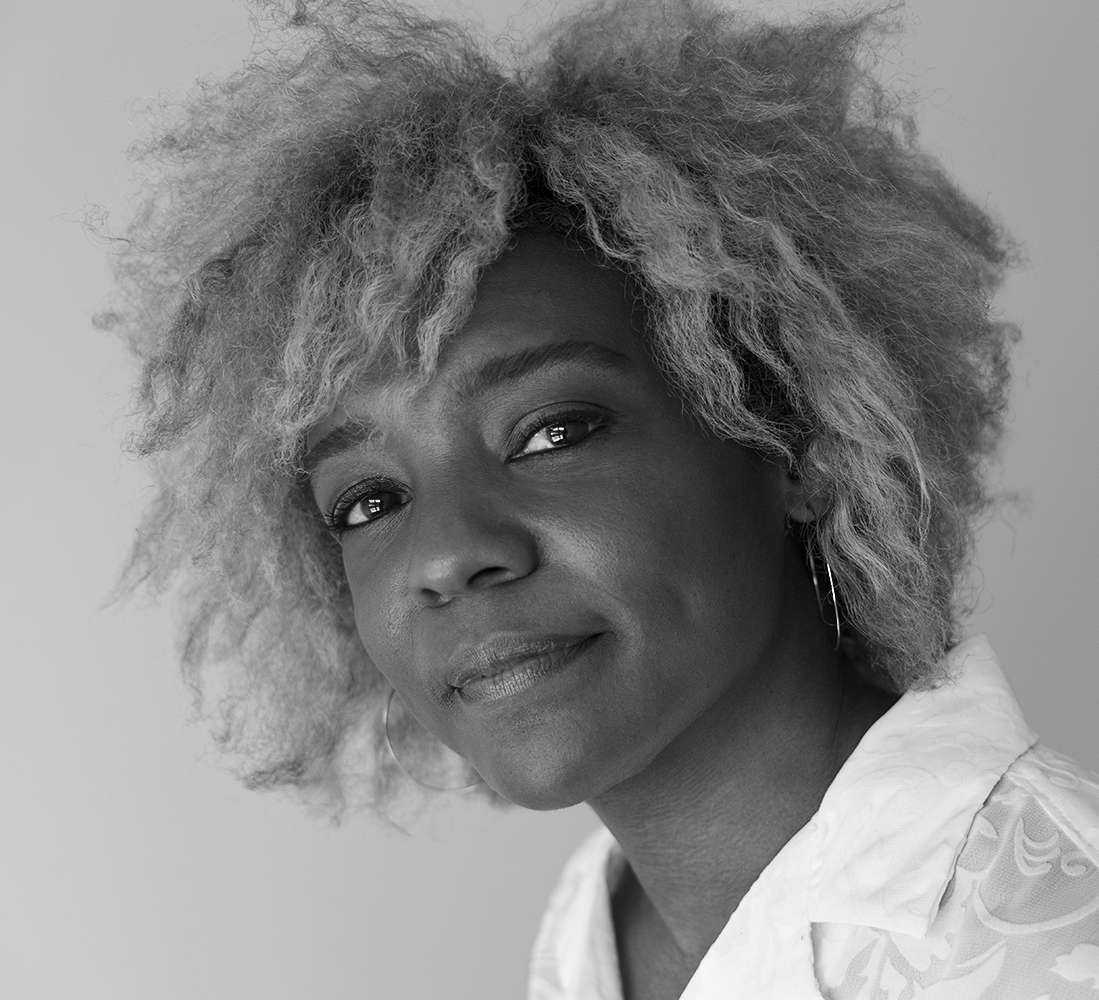
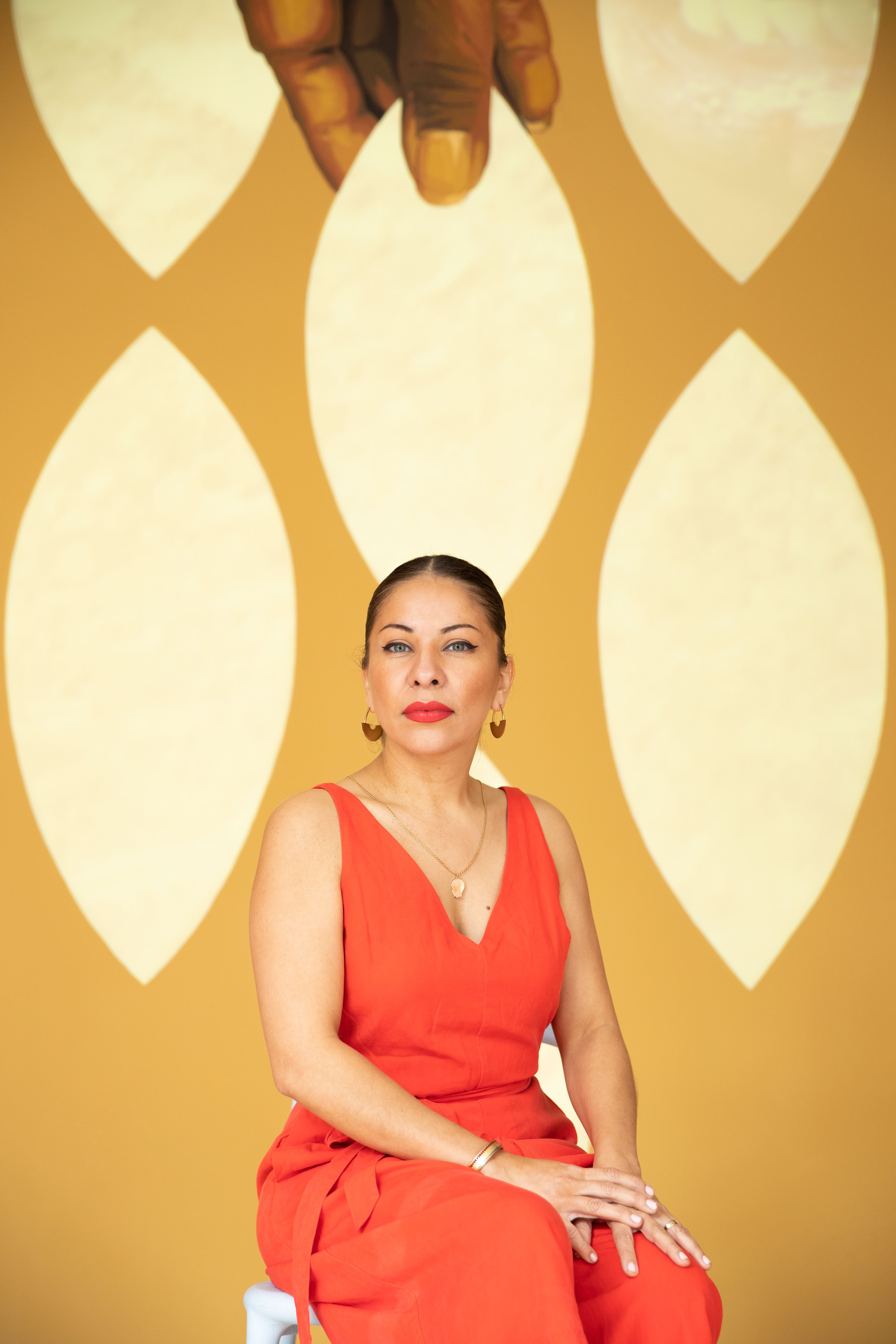
How do monuments move beyond single heroes to hold many stories at once? Washington, DC–based artist Nekisha Durrett, whose work makes the invisible visible through scale, material, and public space, joins artist and educator Michelle Angela Ortiz, known for reimagining monumentality as participatory and community-centered. Together, they explore monuments as living classrooms for collective memory. Moderated Q&A after both presentations (questions submitted ahead/during)
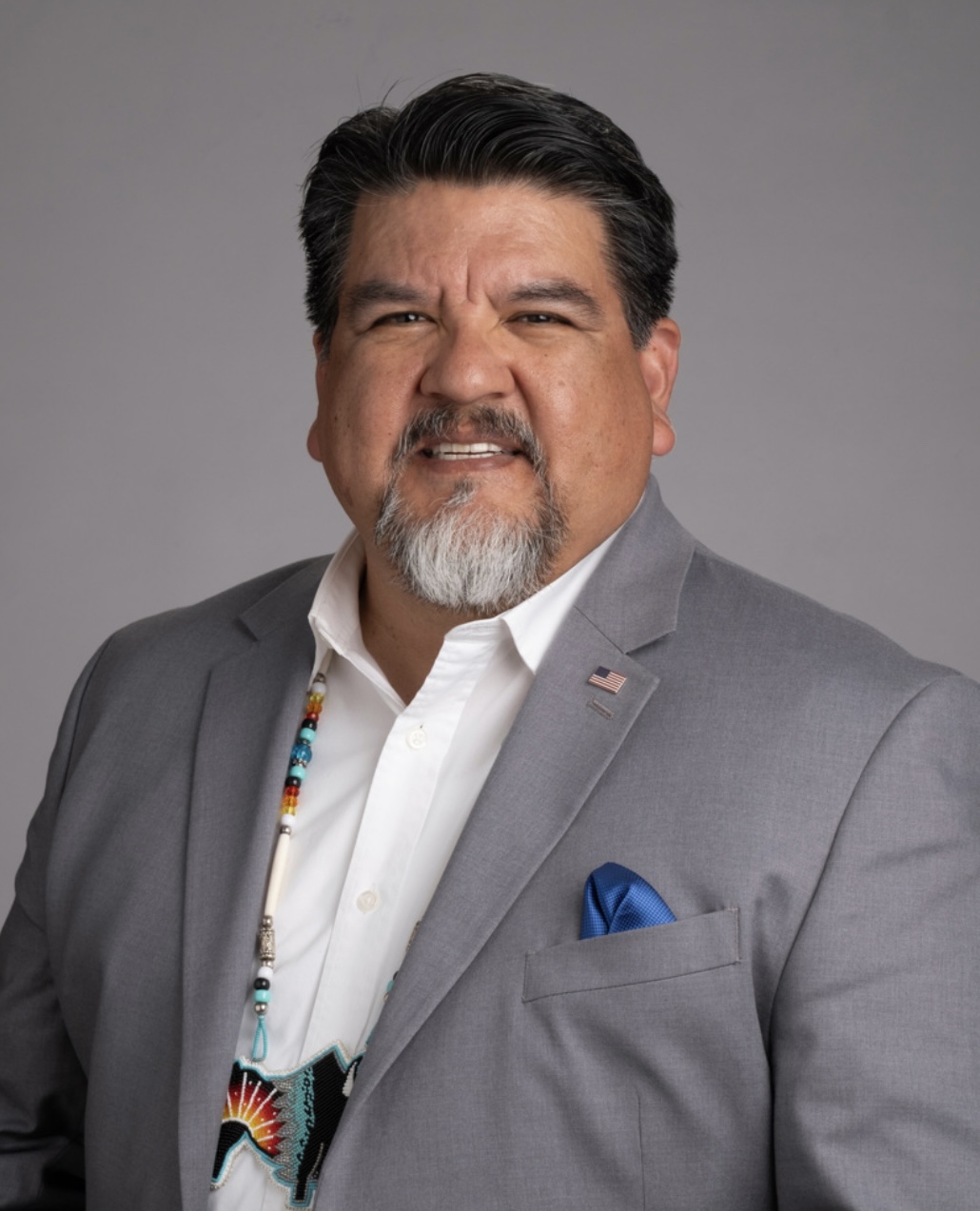
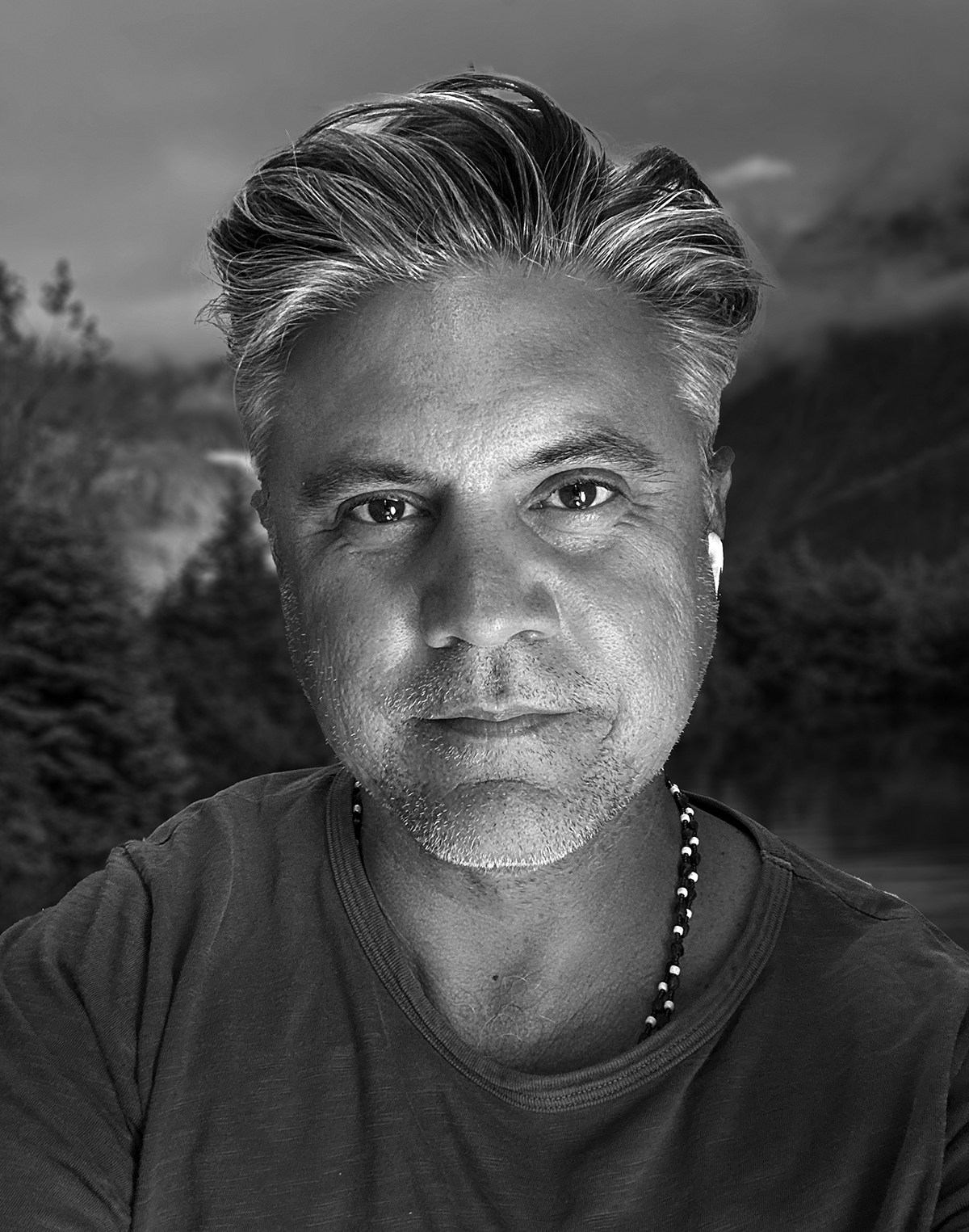
What does it take to make monuments in and with the public sphere? Paul M. Farber, Director of Monument Lab and a leading thinker on monuments and civic memory, joins Chuck Sams, Walla Walla tribal member and former Director of the National Park Service, to examine the municipal, coalitional, and stewardship-driven aspects of monument-making. This session offers insight into how policy, partnership, and Indigenous and civic responsibility shape monuments as living cultural landscapes. The conversation will be transcribed for Bulletin 03. Moderated Q&A after conversation.
How do movements—and educators—teach us what monuments should become? Dr. Andrea Douglas, Executive Director of the Jefferson School African American Heritage Center, and Shakia Gullette Warren, Executive Director of the Black History Museum and Cultural Center of Virginia, explore the educational and community activism behind the removal of Confederate monuments. Together, they frame museums and heritage centers as shared classrooms—sites where living monuments, narrative justice, and collective imagination actively reshape public memory. Moderated Q&A after both presentations (questions submitted ahead/during)
Play is part of the practice. Pop out of the classroom and into the joy. Recess is your open invitation to play, create, and connect across the School of Monumaking crew. Jump into Double Dutch, collect a custom typewriter poem, make a friendship bracelet, or strike a pose in the photo booth—each moment a small act of memory-making.
What does it take to create a monument that is accountable to the people, histories, and futures it touches? In this interactive, hands-on workshop, participants explore monumaking as a collective, ethical, and strategic practice. Emphasizing that monuments are not just objects but processes, the workshop equips attendees with practical tools and critical questions to shape projects that are responsive, responsible, and rooted in community.
What do monuments teach when they are built from struggle, care, and survival? This session brings together three community-centered monument projects that honor collective action—from labor organizing in the Appalachian coalfields, to care work in Little Manila, to Indigenous remembrance and land reclamation in the Black Hills. Through photography, oral histories, ritual, and site-based design, these projects model monument-making as a long-term learning process—one rooted in solidarity, healing, and the shared responsibility to remember together. The session also highlights how Monument Lab’s Re:Generation initiative supports communities in reclaiming suppressed histories, engaging participants in collaborative design, and shaping new practices for public memory.
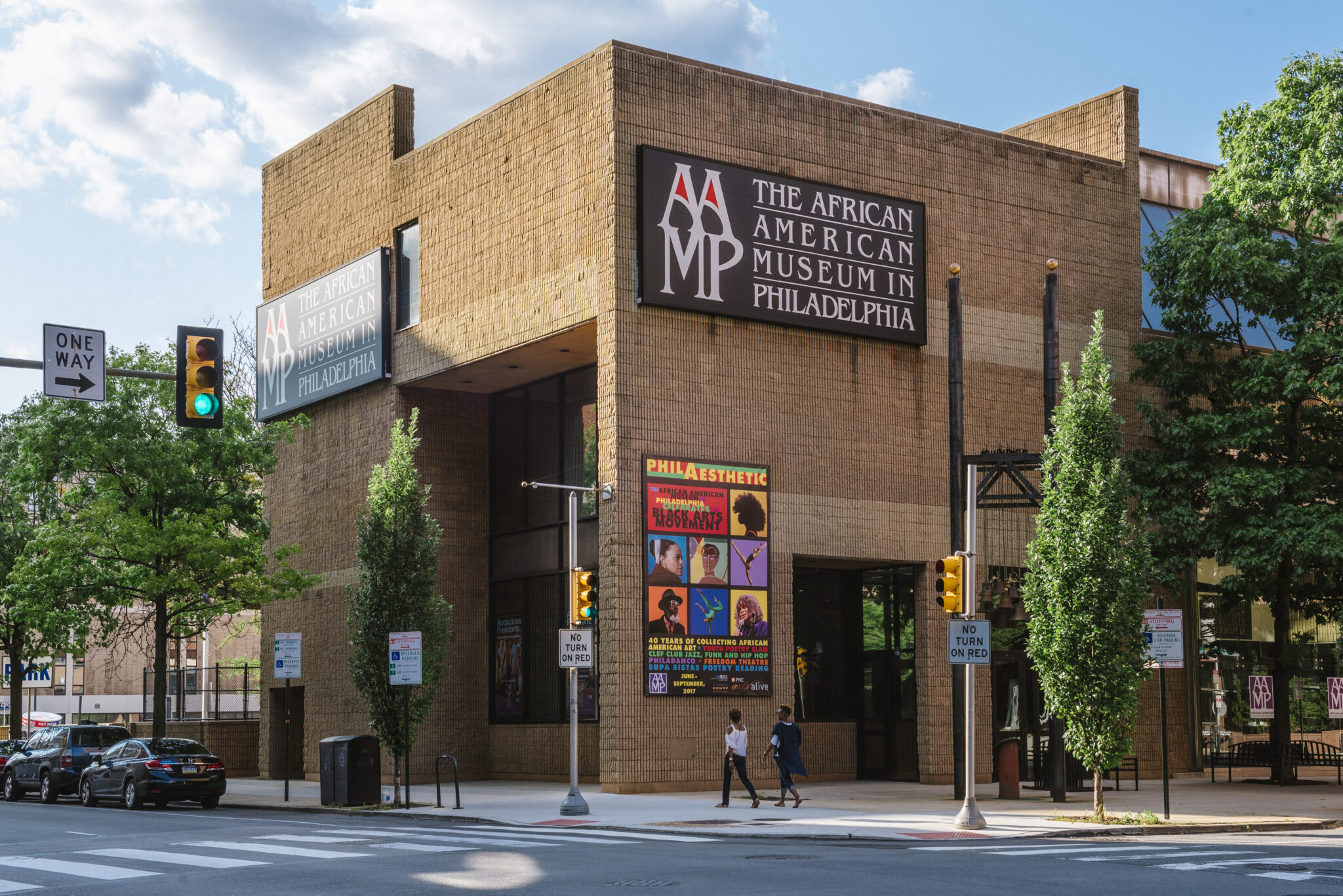
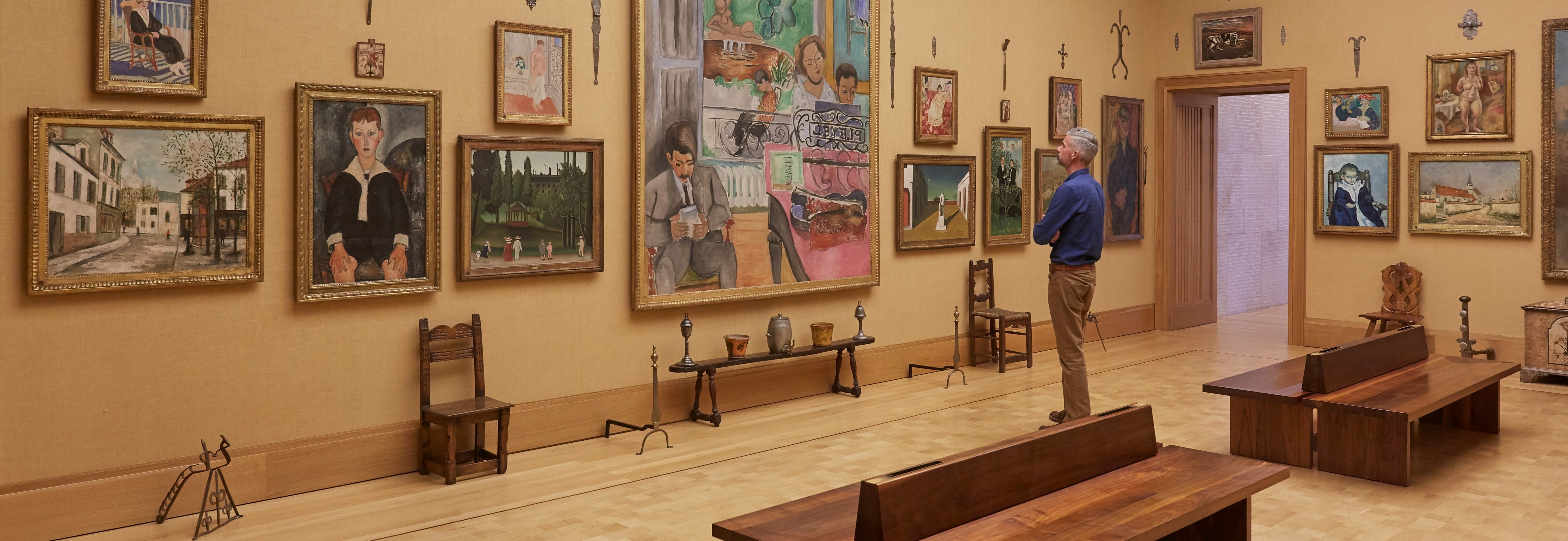
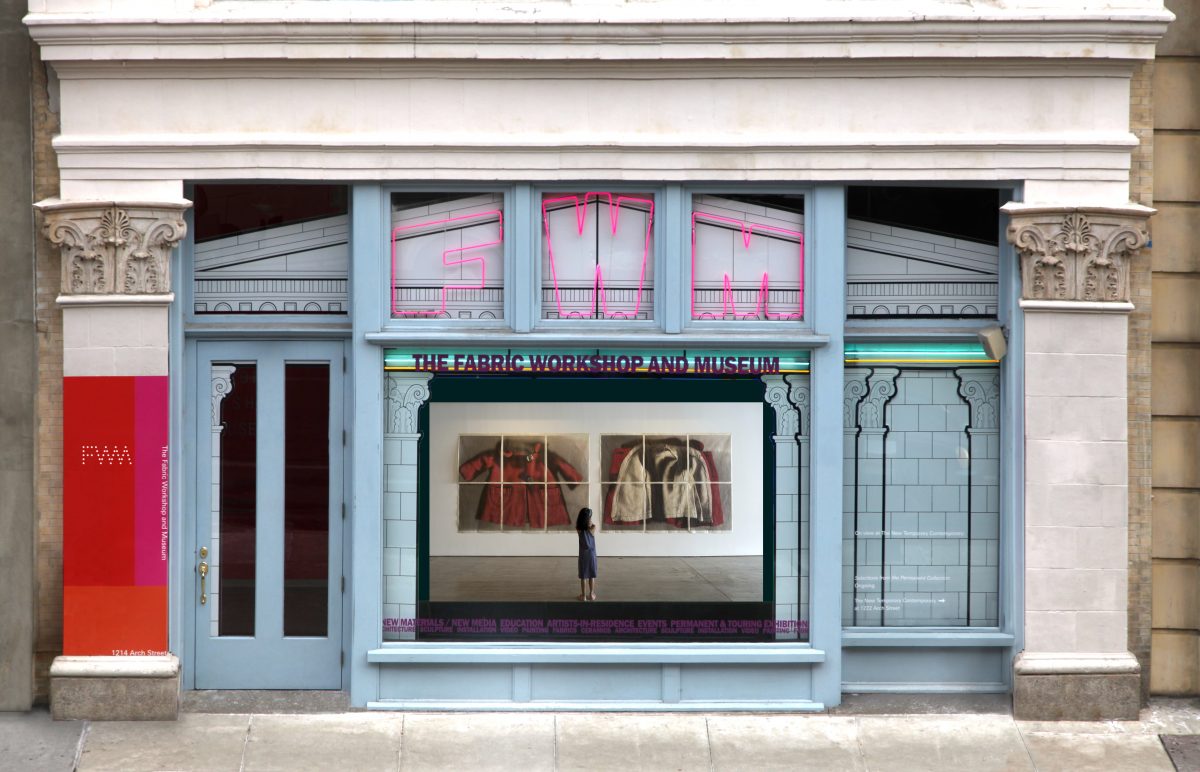
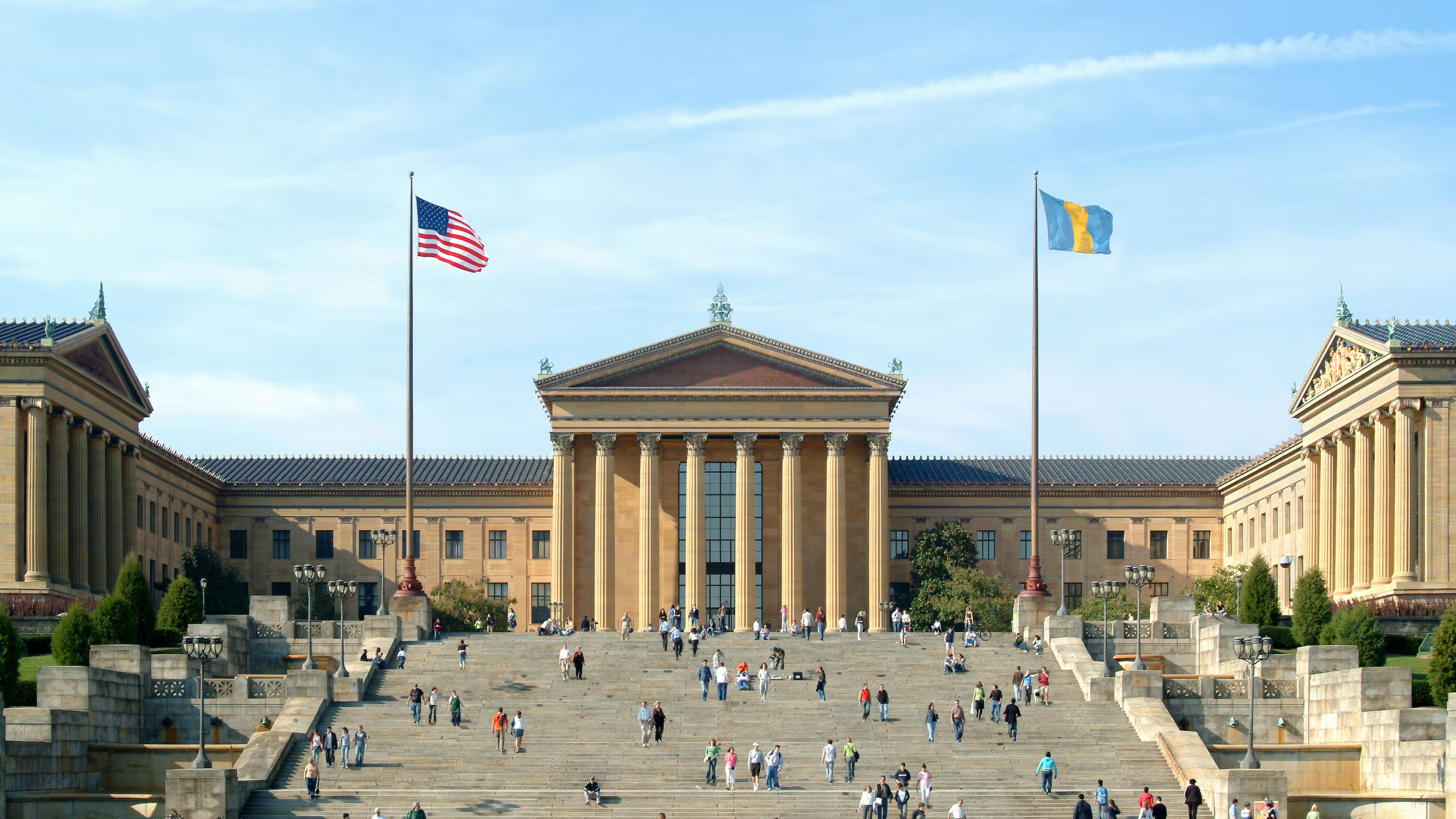
Self-Guided Visits: African American Museum in Philadelphia; Barnes Foundation; Fabric Workshop and Museum; Philadelphia Museum of Art
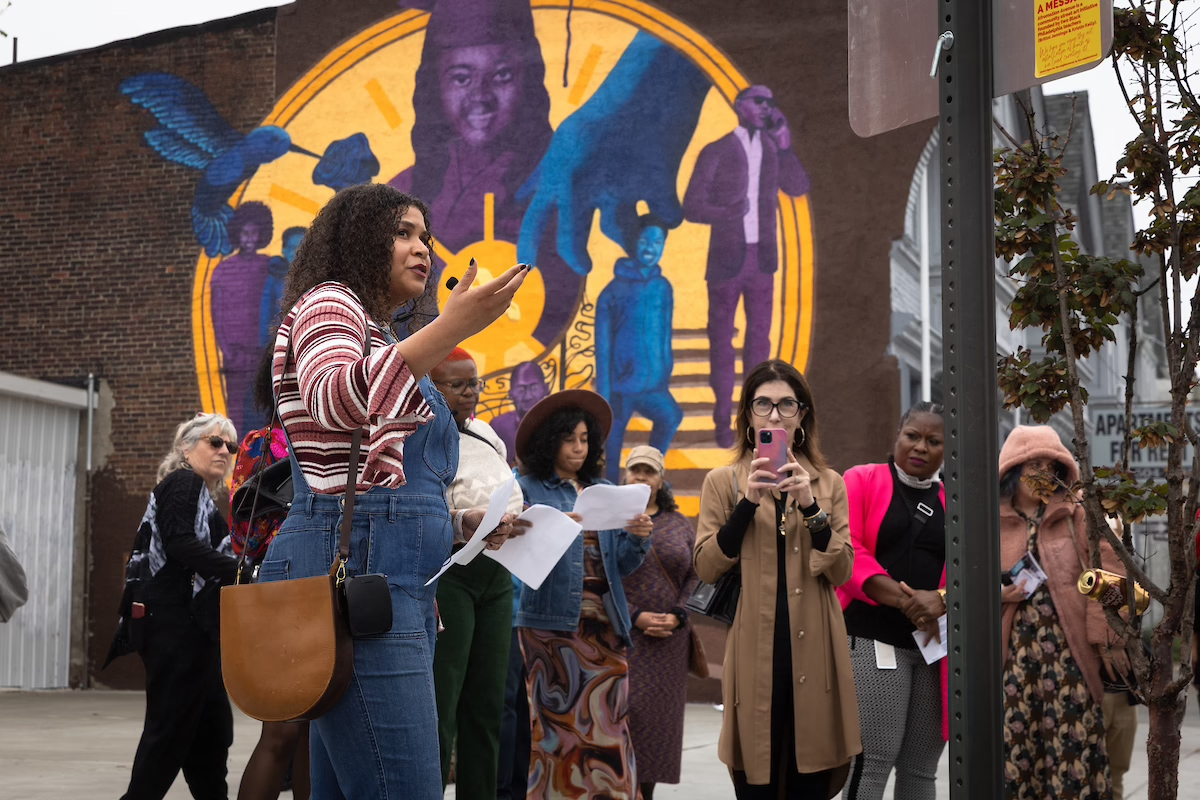
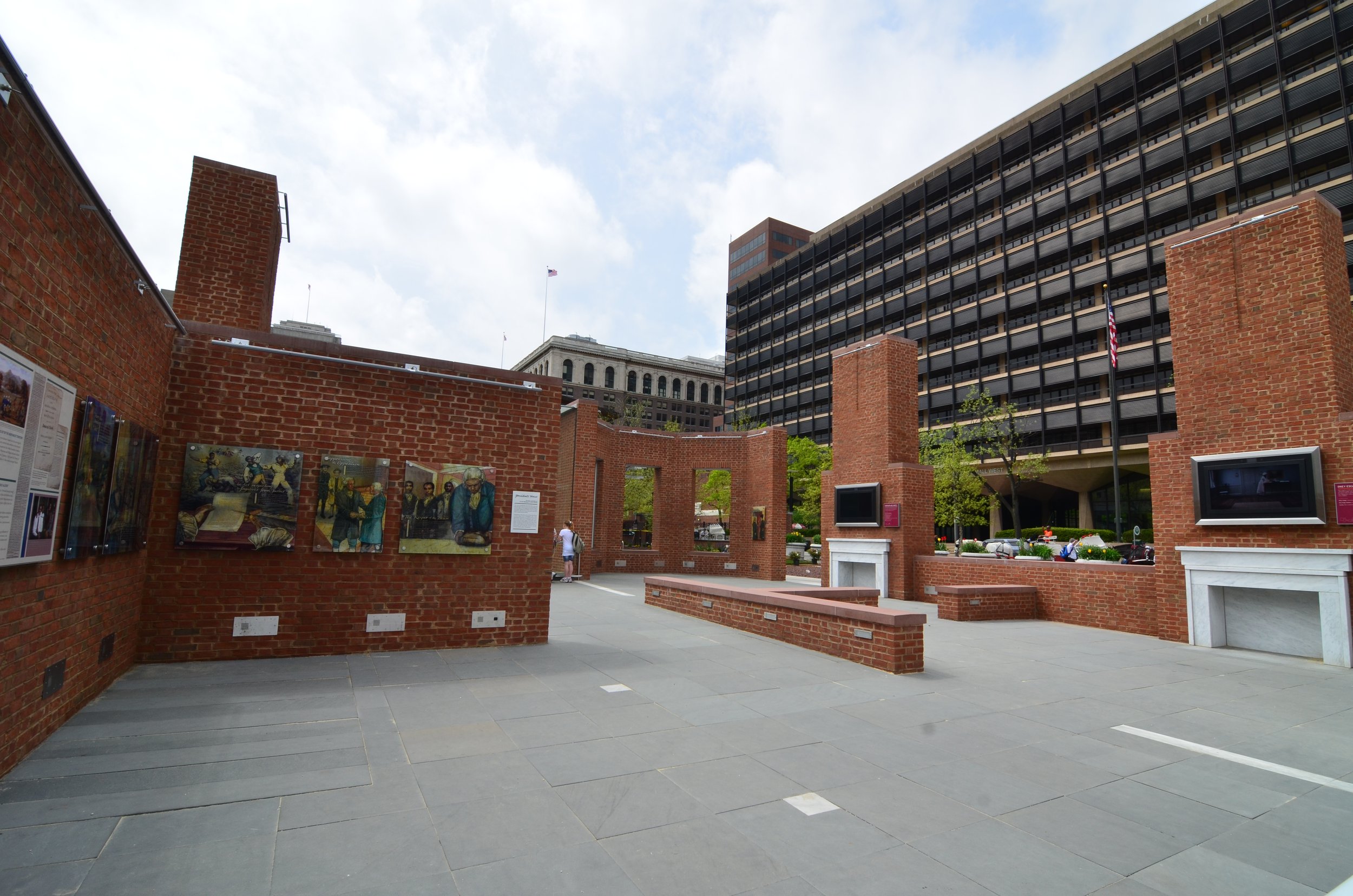
Guided Tours: Mural Mile Center City Walking Tour with Jane Golden; The President’s House Tour with Paul Farber and Yolanda Wisher
For full descriptions, see the Field Trips section below.
Gather for a screening of Return of the Sacred Red Rock, followed by a conversation with Director Jeremy Charles and Executive Producer Ben Arredondo, moderated by Ashley Tyner, filmmaker and Monument Lab Director of Communications. Together, we will reflect on film as a site of monument making—how moving images hold memory, protect sacred ground, and mobilize collective action. The session will also feature the trailer for The People’s Way, co-directed by Ashley Tyner and William Tyner, further inviting us to consider cinema as both witness and world-building practice.
Office Hours with Monument Lab staff is a structured but generative space where Summit attendees can receive feedback, share strategies, and workshop challenges related to specific commemorative and monument-making projects. These sessions model the kinds of collaborative conversations needed to grow the field—centering peer exchange, collective problem-solving, and strategic imagination.
A celebration of monument changemakers who move memory forward. The Labby Awards celebrate artists, organizers, and cultural visionaries who are transforming the landscape of monuments and public memory. Monument Lab created The Labbys to spotlight groundbreaking work that challenges inherited narratives, elevates community stories, and expands what monuments can mean today.
This year, we recognize builder and entrepreneur Devon M. Henry for advancing community-centered monument removal and transformation with unwavering commitment and care and artist Lava Thomas for reimagining the monument form with rigor, beauty, and justice at its core.
The final bell—and the celebration. We’ll soul line dance into the night, stepping together into the futures we’re building side by side. Make your own boutonnière. Come ready to celebrate, linger, and feel the promise of what’s next.
A celebration of monument changemakers who move memory forward. The Labby Awards celebrate artists, organizers, and cultural visionaries who are transforming the landscape of monuments and public memory. Monument Lab created The Labbys to spotlight groundbreaking work that challenges inherited narratives, elevates community stories, and expands what monuments can mean today.
This year, we recognize builder and entrepreneur Devon M. Henry for advancing community-centered monument removal and transformation with unwavering commitment and care and artist Lava Thomas for reimagining the monument form with rigor, beauty, and justice at its core.
Devon M. Henry is a successful entrepreneur and community leader based in Richmond, Virginia. He is the CEO of Team Henry Enterprises, a nationally recognized contracting firm he founded in 2006. Under his leadership, Team Henry has delivered award‐winning projects and become a trusted name in construction. He is also the founder and CEO of TH Logistics, a packaging and supply‐chain company that provides third- and fourth-party logistics services across the Globe.
With more than 20 years of experience managing construction and logistics companies, Devon’s contracting enterprise gained national attention for safely removing and relocating more than two dozen nineteenth-century bronze statues across the southeastern U.S., making him the go-to professional for this sensitive work.
In addition to running his companies, Devon contributes his expertise to a wide range of boards. He serves on the Board of Directors for Village Bank and Trust Financial Corp (NASDAQ: VBFC), the Norfolk State University Board of Visitors (where he previously served as Rector), the Bon Secours Mercy Health Foundation (Chairman), Venture Richmond, the Transportation DBE Advisory Committee (past chairman), the Virginia March of Dimes (past chairman), the Metropolitan Business League (past chairman), Young Presidents’ Organization and Phi Beta Sigma Fraternity, Inc.. His board work underscores his commitment to economic development and public service.
Devon’s leadership has earned multiple honors, including Entrepreneur of the Year from the Metropolitan Business League, American Express Government Contractor of the Year, CVMSDC Supplier of the Year, and a Humanitarian Award from the Virginia Center for Inclusive Communities. In July 2025, Norfolk State University honored him by naming its iconic communications tower the Devon M. Henry Communications Tower.
He holds a Bachelor of Science in Biology from Norfolk State University and a Masters of Science in Environmental Management from the University of Maryland. He has completed executive education programs at the University of Richmond’s Robbins School of Business, the Tuck School of Business at Dartmouth, and Northwestern University’s Kellogg School of Management. At the Norfolk State's 115th Commencement ceremony, he was the recipient of the Honorary Doctorate of Humane Letters degree. Committed to giving back, in 2014 he established an endowment at Norfolk State that provides scholarships to incoming STEM majors, to date he has supported over 50 Team Henry Scholars matriculation through Norfolk State University. Beyond business, Devon is a celebrated orator. He speaks across the United States on topics such as entrepreneurship, leadership in uncertain times, and social activism. His experience dismantling Confederate monuments and erecting counter-monuments informs his advocacy for inclusive public spaces and historical understanding. By combining business acumen with social impact, he demonstrates how entrepreneurship can drive economic growth and positive change.
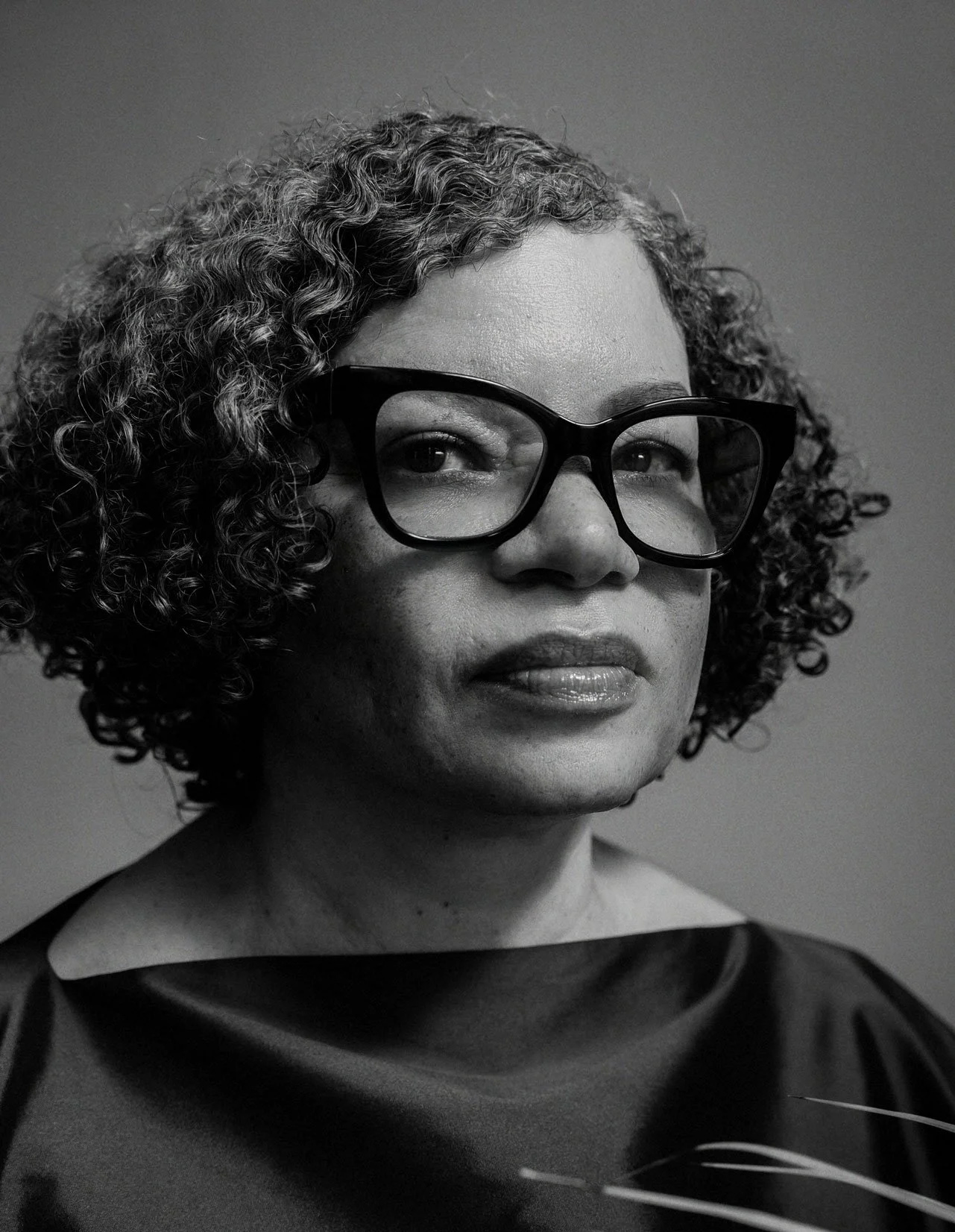
Lava Thomas is a visual artist whose large-scale drawings, portraiture, monuments, and site-specific installations shape public memory. Working from civic, family, and historical archives, she advances a rigorous form of portraiture grounded in research, material precision, and historical accountability.
Her work has been exhibited nationally at major institutions, including the National Portrait Gallery, the Smithsonian American Art Museum, Harvard University, the Museum of the African Diaspora, Spelman College Museum of Fine Art, and the California African American Museum in Los Angeles. Her work is held in the permanent collections of the Smithsonian American Art Museum, the National Museum of African American History and Culture, SFMOMA, the Studio Museum in Harlem, the Berkeley Art Museum and Pacific Film Archive, and the Cantor Arts Center at Stanford University, among others.
In fall 2024, the San Francisco Arts Commission unveiled Portrait of a Phenomenal Woman: A Monument to Honor Dr. Maya Angelou at the San Francisco Main Library. The nine-foot bronze and basalt sculpture is the first public monument dedicated to a Black woman in San Francisco’s civic art collection.
Thomas is the recipient of an Academy of Arts and Letters Purchase Prize, a Joan Mitchell Foundation Grant for Painters and Sculptors, and a San Francisco Artadia Award. In 2025 she received an honorary doctorate from California College of the Arts. She has been named a YBCA100 Honoree and one of the “Women to Watch” by the National Museum of Women in the Arts. Her residencies include Headlands Center for the Arts and the Djerassi Resident Artists Program. She serves on the Board of Directors of Headlands Center for the Arts and is a member of the Black Trustee Alliance. Thomas is represented by Jessica Silverman in San Francisco, CA.
At Monument Lab, we approach access as an ongoing practice rooted in disability justice, care, and accountability. No project is fully accessible to everyone, and we take that reality seriously. We recognize that access is shaped by resources, timelines, architecture, and institutional conditions. When constraints arise, we name them. When we fall short, we aim to acknowledge that clearly and make adjustments where we can.
If you have access needs, questions, or feedback, we welcome hearing from you at [email protected].
- Ramp and elevator accessibility
- Reserved seating for attendees using mobility devices
- Low-sensory space in The Commons
- Content warnings issued ahead of presentations with sensitive subject matter
- CART captioning
- Livestreaming of full Thursday program (Transcripts post-event, upon request)
- Wayfinding staff across the VIA campus
- Scheduled breaks for all attendees
The Low-Sensory Lounge, located inside The Commons, includes:
- Soft furniture
- Low lighting
- Fidgets
- Allergy-friendly snacks
We kindly request that participants utilizing the Low-Sensory Lounge refrain from wearing scented products.
How do I purchase a ticket to register for the Summit?
Tickets are available for purchase on Eventbrite here.
How much does it cost to attend?
VIP: $300.00
General Admission: $250.00
Student, Educator, Artist: $150.00
Meals are included with every registration tier: breakfast and lunch will be provided on Thursday, May 7th and Friday, May 8th; light refreshments are also available at all evening events. Please see below for more information on meals.
What is the difference between ticket tiers?
General and Student, Educator, Artist Tickets include:
- A kick-off party on Wednesday, May 6th
- Two full days of speakers, panels, workshops, art, film, and connection
- Recess, an evening of fun, hands-on activities, and play on Thursday, May 7th
- Promument, our Summit closing party on Friday, May 8th
A VIP Ticket includes all of the above plus:
- A special reception with presenters, partners, and friends on Wednesday, May 6th
- A print copy of Monument Lab’s National Monument Audit
- A limited edition “School of Monumaking” gift
What is your refund policy?
Refunds are available through Eventbrite until April 27th. Eventbrite will deduct an 8% processing fee.
Are there any discounts for booking groups?
There are no discounts available for group bookings at this time. For any special registration group booking requests or questions, please contact [email protected].
What happens after I register?
You will receive an email confirmation for your ticket(s) and subsequent updates about the Summit via email.
Will I need to show a ticket or booking confirmation to enter?
Yes, registrants will be required to show a printed or digital ticket and identification to enter.
I’d like to volunteer at the Summit in exchange for entry. Do you accept volunteers?
There are no volunteer opportunities available at this time. If cost is a barrier to access, please reach out to [email protected].
What are the Summit dates?
The 2026 Monument Lab Summit: “School of Monumaking” takes place from May 6-8, 2026 at the Village of Industry and Art (320 S. Broad St., Philadelphia, PA 19102).
Will I be able to enter late or reenter the venue if I need to leave during the day?
Of course, but we ask that you hold on to your name badge for ease of entry at check-in.
Will food be provided?
Breakfast, lunch, and snacks will be served for all registered participants on May 7th and May 8th. Evening events also will include catered refreshments. Vegan and gluten free options will be available for all sessions. A list of recommended coffee shops, restaurants, and bars in the area will be available to participants closer to the Summit for needs outside of these planned meals.
Is there a dress code?
No, we encourage you to dress comfortably and come as you are.
For Promument on the evening of May 8th, we invite you to dress to impress in cocktail attire in the spirit of a school prom!
My organization is interested in sponsoring the Summit. How can I find out more?
Please send email [email protected] to learn more about sponsorship opportunities.
Are there vending or exhibiting opportunities for aligned organizations?
Please share your vending or exhibiting interests and questions with [email protected].
Entrance
The accessible entrance to VIA is located at 1431 Pine St, Philadelphia, PA 19102. Check in is available at all entrances for all attendees.
Event Spaces
Summit programs will take place on multiple floors in the building, which can be reached using an elevator near the accessible entrance. Ample signage and staff members will be present to assist with wayfinding.
Seating
Primary seating options will be armless with backs, step-free, and theater-style. Spaces will be reserved for mobility devices.
Access Services
Captioning / CART will be available for most plenary sessions. A description of available access services during each presentation will be shared closer to the Summit.
Accommodations
If you have any questions regarding accessibility at the Summit, please contact us at [email protected].
Is there a discounted hotel rate for Summit attendees?
Hyatt Centric Rittenhouse Square (1620 Chancellor St, Philadelphia, PA 19103) is the Lead Hotel Partner for the 2026 Monument Lab Summit. Use this link to book at the reduced rate of $215 per night. This discount expires April 20th, 2026.
How far is the hotel from the Summit venue?
The Village of Industry and Art (VIA) is 0.4 miles away from the Hyatt Centric Rittenhouse Square, an estimated 10 min walk or 4 min drive.
Is there dedicated parking at the Village of Industry and Art?
No, but metered street parking is available on blocks surrounding the building (subject to posted signage) and there are several parking garages nearby:
- Hamilton iParkit Garage
- Academy of the Arts Parking Garage
- Symphony House iParkit Garage
Can I use public transportation to get to the Summit?
Yes, the Village of Industry and Art (VIA) is located nearby multiple subway and bus stops. Please visit SEPTA or the Transit app for more information.
Subway
- Broad St Line: Walnut-Locust stop (5 minute walk from VIA)
- Market-Frankford Line: City Hall stop (15 minute walk from VIA)
Bus
- Bus routes 4, 27, and 32 stop at Broad & Pine St, right outside of VIA
- Additional routes that stop nearby include 2, 9, and 12
Ox Coffee
616 S 3rd St.
Good Karma Cafe
265 S Broad St.
Elixr Coffee Roasters
207 S Sydenham St.
The Last Drop
1300 Pine St.
Café Square One
1225 Walnut St.
La Jefa Café
1605 Latimer St.
Sabrina’s Café
2101 South St.
The Breakfast Den
1500 South St.
Talula’s Daily
208 W Washington Sq
Middle Child
248 S 11th St.
Paulie Gee’s Slice Shop
412 S 13th St.
Brooklyn Dumpling Shop
1504 Sansom St.
Luke’s Lobster
130 S 17th St.
Loch Bar
301 S Broad St.
Parc
227 S 18th St.
Darling Jack’s Tavern
104 S 13th St.
Monk’s Café
246 S 16th St.
Giorgio on Pine
1328 Pine St.
The Love
130 S 18th St.
Barbuzzo
110 S 13th St.
Rex at the Royal
1524 South St.
P.S. & Co.
1706 Locust St.
Bar Bombón
133 S 18th St.
Vedge
1221 Locust St.
Charlie was a Sinner
131 S 13th St.
Rita’s Water Ice
1511 Spruce St.
Weckerly’s
1600 Spruce St.
Van Leeuwen
119 S 13th St.
Jeni’s Splendid Ice Cream
1901 Chestnut St.
Insomnia Cookies
108 S 16th St.
Writer’s Block Rehab
1342 Cypress St.
Attico Rooftop
219 S Broad St.
Franklin Mortgage & Co.
1711 Rittenhouse Sq.
Graffiti Bar
124 S 13th St.